936-900-7000
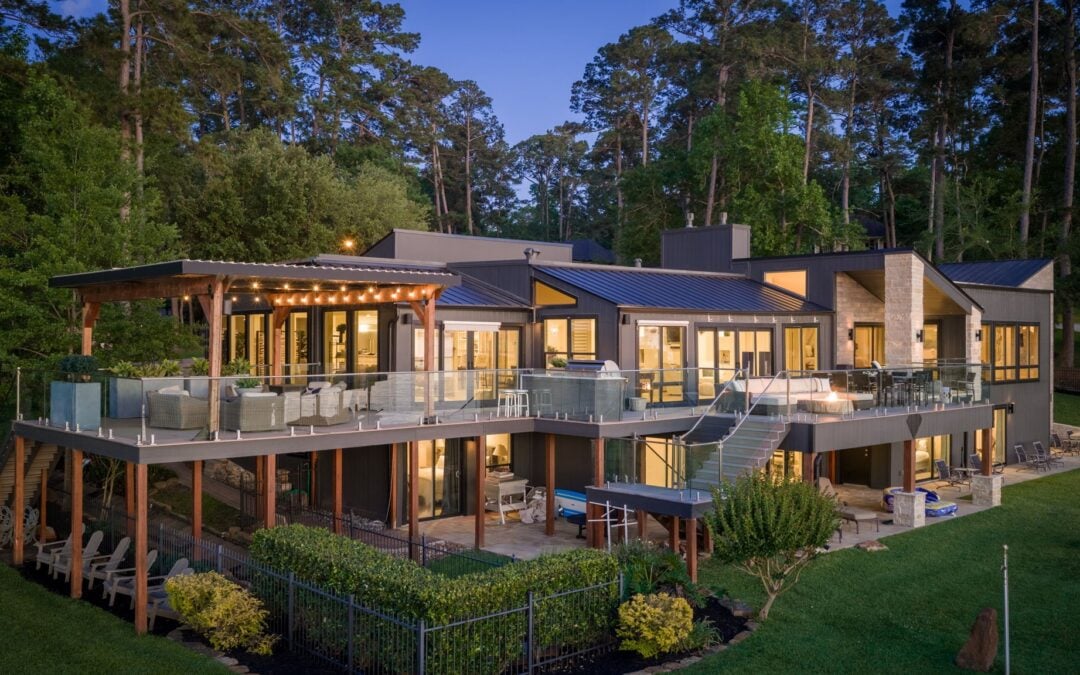
Lake Conroe waterfront homes offer a rare combination of peaceful lake views, recreation, and strong long-term property value. If you’ve been searching for a home that blends relaxation with investment potential, this area stands out as one of the most desirable in Texas. However, buying on the water is not the same as buying inland property. Flood risk, shoreline conditions, insurance requirements, and access rights all play a major role in your decision. This guide breaks down exactly what to look for so you can buy confidently and avoid costly surprises.
Key Takeaways
- Lake Conroe offers a strong mix of lifestyle and investment potential
- Waterfront buying requires careful evaluation of property condition and access
- Flood insurance and FEMA zones directly impact cost and risk
- Water quality and shoreline conditions affect long-term enjoyment
- A local waterfront specialist can significantly improve your buying experience
Understanding the Unique Appeal of Waterfront Property on Lake Conroe
Lake Conroe combines natural beauty with an active lake lifestyle, making it one of the most sought-after waterfront markets in Texas. Homeowners enjoy peaceful water views, outdoor recreation, and a strong sense of community. At the same time, limited shoreline inventory keeps demand high and supports long-term property values. Buyers choose Lake Conroe for its many benefits, such as:
- Scenic lake views and peaceful surroundings
- Direct access to boating, fishing, and water activities
- Strong community events and lifestyle amenities
- Consistent long-term property demand and value stability
Top 10 Tips for Buying Waterfront Real Estate
Buying a waterfront home requires evaluating much more than the structure itself. Water access, environmental risks, and long-term livability all impact your investment. These key factors will help you make a smarter decision.
| Factor | What to Evaluate | Why It Matters |
| Location | Proximity to essentials | Impacts daily convenience |
| Property condition | Erosion, foundation, moisture | Avoids costly repairs |
| Flood risk | FEMA zone, elevation | Affects insurance & safety |
| Water access | Dock rights, shoreline use | Defines lifestyle value |
| Boundaries | Survey + easements | Prevents legal issues |
| Seasonal changes | Water levels, storms | Impacts usability |
| Insurance | Coverage + cost | Protects investment |
1. Define Your Long-Term Goals
Before you start your search, clearly define how you plan to use the property. A waterfront home can serve as a primary residence, vacation getaway, or long-term investment. Each option changes what features and location factors matter most. Having clear goals helps you focus your search and avoid homes that do not fit your plans.
2. Evaluate Location and Convenience
Waterfront living should still support your daily routine and lifestyle needs. Check the distance to essential services like grocery stores, healthcare facilities, and schools. While privacy and scenic views are important, convenience plays a big role in long-term livability. The right balance makes the home practical as well as enjoyable.
3. Inspect Property Condition
Waterfront homes are more exposed to moisture, shifting soil, and natural wear over time. Carefully check for foundation issues, erosion along the shoreline, and signs of mold or water damage. These issues can become expensive if not caught early. A professional inspection is strongly recommended before moving forward with an offer.
4. Understand Flood Risk
Flood risk is one of the most important factors in waterfront property ownership. Review FEMA flood maps to understand your property’s designation and level of exposure. Also, ask about any history of flooding in the area to get a full picture of risk. This information directly impacts both insurance costs and long-term safety.
5. Review Water Access Rights
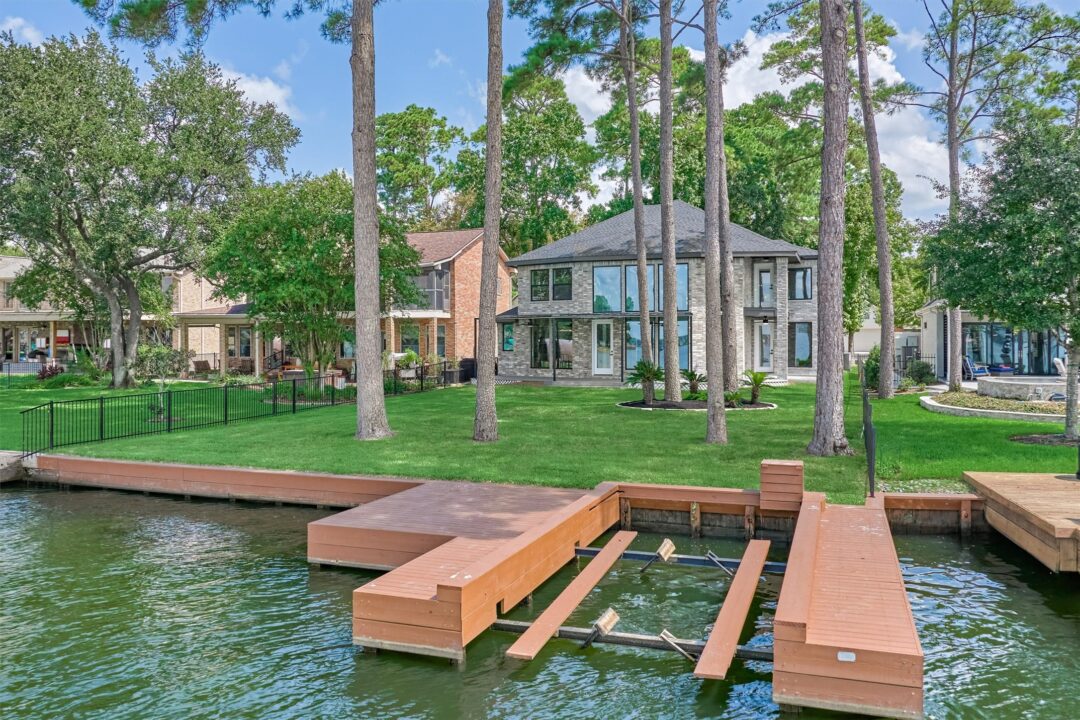
Not all waterfront homes offer the same level of lake access. Some properties include private docks, while others may have shared access or restrictions on usage. It is important to confirm exactly what rights come with the property before making a decision. These details can significantly impact your day-to-day experience on the water.
6. Consider Seasonal Conditions
Lake conditions change throughout the year, and these shifts can affect how you use the property. Water levels may rise or fall depending on weather patterns and seasonal changes. This can influence dock accessibility and shoreline usability. Understanding these patterns helps set realistic expectations for year-round enjoyment.
7. Verify Property Boundaries
Waterfront property lines are not always obvious and can sometimes be complex. A professional land survey helps confirm exactly what land you own and what access rights apply. This step is especially important near shorelines where boundaries may shift or overlap. Proper verification helps prevent disputes with neighbors or HOAs later on.
8. Compare Insurance Requirements
Flood insurance needs vary widely depending on location, elevation, and flood zone designation. Policies can differ in what they cover, so it is important to compare options carefully. Make sure both the structure and personal belongings are adequately protected. Reviewing multiple policies helps ensure you are not underinsured or overpaying.
9. Think About Resale Value
Even if you plan to live in the home long-term, resale value should still be considered. Properties with strong water access, stable shorelines, and desirable locations tend to hold value better over time. Market demand for these features can shift, but quality waterfront access usually remains a strong selling point. Thinking ahead helps protect your investment.
10. Plan for Maintenance Costs
Waterfront homes typically require more ongoing maintenance than inland properties. Exposure to water, humidity, and weather can lead to more frequent repairs and upkeep needs. This includes dock maintenance, shoreline stabilization, and exterior home care. Planning for these costs in advance helps you avoid financial surprises and protect long-term value.
Navigating Flood Insurance Requirements for Your Waterfront Home
Flood insurance is essential when buying a waterfront home on Lake Conroe due to the higher flood risk. It protects your property and should be planned for early in the buying process. Start by reviewing FEMA flood zones to understand your risk level and potential insurance costs. These zones directly affect whether coverage is required and how much you’ll pay.
Next, compare policies to ensure both your home and belongings are covered. Coverage details can vary, so it’s important to review options carefully. Finally, include insurance costs in your budget upfront. Premiums vary based on risk level and coverage, so planning ahead helps avoid surprises.
Evaluating the Water Quality and Body of Water Conditions
Water quality is an important factor when buying a waterfront home on Lake Conroe because it affects both lifestyle and property value. Start by reviewing current water quality reports. These show pollution levels, water clarity, and overall lake health, helping you understand if the water is clean and suitable for recreation.
Next, look at how water levels change throughout the year. Seasonal shifts can impact shoreline access and how usable your property is at different times. Also consider local wildlife and natural conditions. While the ecosystem adds to the lake experience, it can sometimes affect water quality or shoreline use.
Working with a Knowledgeable Real Estate Agent Specializing in Waterfront Properties
Buying a waterfront home is complex, and the right real estate agent can make the process much smoother. An agent with Lake Conroe experience understands the local market, property risks, and what to look for in waterfront homes. They can help you navigate rules and regulations tied to shoreline use, docks, and property restrictions. This helps you avoid surprises and make more informed decisions.
Experienced agents may also know about off-market listings that are not widely advertised, giving you more options and less competition. They also handle negotiations to help you secure better terms and pricing. Overall, working with a skilled waterfront agent reduces stress and helps you move through the buying process with more confidence and fewer risks.
Why Buyers Choose The McKellar Group
The McKellar Group specializes in Lake Conroe and Montgomery County waterfront real estate. Our team helps buyers understand the differences between waterfront and water access properties, evaluate true shoreline value, and navigate important details like flood zones, dock rights, and HOA rules.
With deep local knowledge, we’ll help you identify the right opportunities faster and avoid costly mistakes. From the first search to closing, we guide you through each step so you can make a confident, informed decision in a competitive market.
Buying a Waterfront Home Questions
What should I look for when buying a waterfront home on Lake Conroe?
When buying a waterfront home on Lake Conroe, consider factors like location, water access, and the condition of the property. Check for flood zones and evaluate the property’s proximity to amenities. Review any restrictions or regulations that might affect future development or renovations. Ensure the home has a sturdy dock and look into local environmental conditions that could impact your investment. Lastly, examine the community’s vibe to ensure it matches your lifestyle.
Do all waterfront homes on Lake Conroe come with private dock rights?
Not every waterfront home on Lake Conroe automatically includes private dock rights. Dock access can vary based on property location and specific community regulations. Some homes may share docks with neighbors or have limited access due to environmental protection rules. It’s crucial to clarify with the seller or real estate agent about dock rights and any associated fees or permits before purchasing.
What are common issues found in Lake Conroe waterfront homes?
Waterfront homes can face issues like erosion, flooding, or foundation problems due to proximity to the water. Mold and mildew are also common due to higher humidity levels. Inspect the property for signs of water damage and ensure the shoreline is stable. Check the condition of the dock and any retaining walls. It’s wise to have a professional inspection to uncover potential hidden problems.
How do water levels and shoreline conditions affect waterfront property value?
Water levels and shoreline conditions significantly impact the value of waterfront properties. Fluctuating water levels can affect the accessibility and usability of docks and waterfront areas. Erosion or unstable shorelines may require costly repairs and can decrease property value. Properties with stable water levels and well-maintained shorelines generally retain higher value, offering more reliable investment returns and a better living experience.
Are there HOA rules or easements that impact waterfront homes on Lake Conroe?
Many waterfront homes on Lake Conroe fall under Homeowners Association (HOA) rules or have easements that affect property use. HOAs might regulate dock construction, exterior modifications, and landscaping. Easements can grant others access to portions of the property, potentially limiting privacy. Review HOA guidelines and property easements carefully to understand any restrictions or obligations before buying.
Successfully Buying a Waterfront Home on Lake Conroe
Buying a waterfront home on Lake Conroe comes down to understanding how each piece of the process impacts your long-term experience on the water. From evaluating property condition and shoreline access to planning for flood insurance and water quality, each factor plays a role in how well the home fits your lifestyle and investment goals. Taking the time to review these details helps you move forward with more clarity and confidence.
As local experts in Lake Conroe real estate, The McKellar Group helps buyers navigate every step of the waterfront home search. From comparing property types and evaluating true lake access to understanding insurance requirements and long-term value, we provide the insight needed to make a smart, informed decision in a competitive market.
If you are ready to explore waterfront homes on Lake Conroe, contact us today for a consultation. We will help you find the right property that fits your goals and lifestyle on the lake.

Medina McKellar has been working in the Lake Conroe real estate market since 2012. She is known for her honesty, dedication, and attention to detail. Medina’s deep market knowledge helps clients buy and sell homes with confidence, earning repeat business and referrals.