936-900-7000
Owning a waterfront home on Lake Conroe offers the opportunity to enjoy boating, fishing, and relaxing days by the water. However, adding a private dock requires more than choosing the perfect spot along the shoreline. Understanding Lake Conroe dock permits and regulations before starting your project can help you avoid delays, unexpected costs, and compliance issues.
From permit requirements to construction guidelines, knowing the rules is an important part of planning your waterfront improvements. This guide covers what you need to know to navigate the dock approval process and make informed decisions about your Lake Conroe property.
Key Takeaways
- Dock permits help ensure waterfront structures meet safety and environmental requirements
- The SJRA oversees dock approvals and helps protect Lake Conroe’s natural resources
- Waterfront regulations help maintain safe, compliant, and enjoyable lake access
- Proper planning can help prevent delays during the dock construction process
- Reviewing existing docks and structures can help buyers make informed decisions
Understanding Lake Conroe Dock Permits and Their Importance
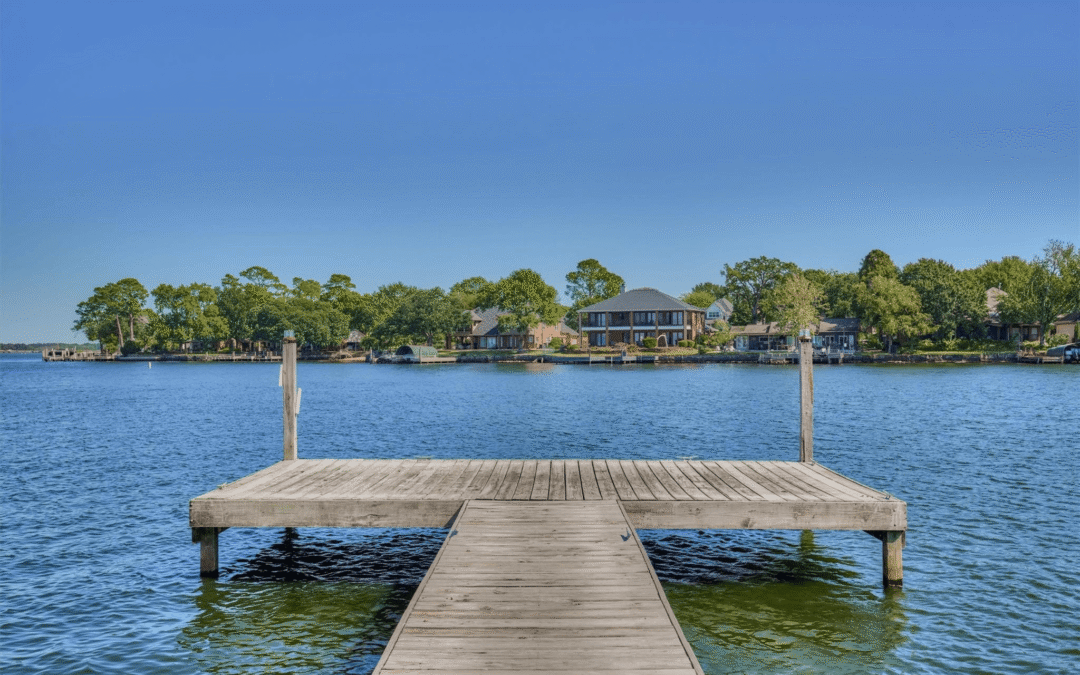
Before building a dock on Lake Conroe or purchasing a waterfront property, it is important to understand dock permit requirements. The San Jacinto River Authority (SJRA) oversees these permits to ensure docks and waterfront structures meet safety and environmental standards. These regulations help protect the lake’s natural beauty while promoting safe use for property owners and visitors.
A valid dock permit confirms that a structure meets local requirements and helps protect your investment. Without proper approval, property owners may face compliance issues that could affect their ability to use or maintain their dock. Understanding the permitting process is an important step for anyone planning to enjoy Lake Conroe waterfront living.
Key Regulations for Lake Conroe Waterfront Properties
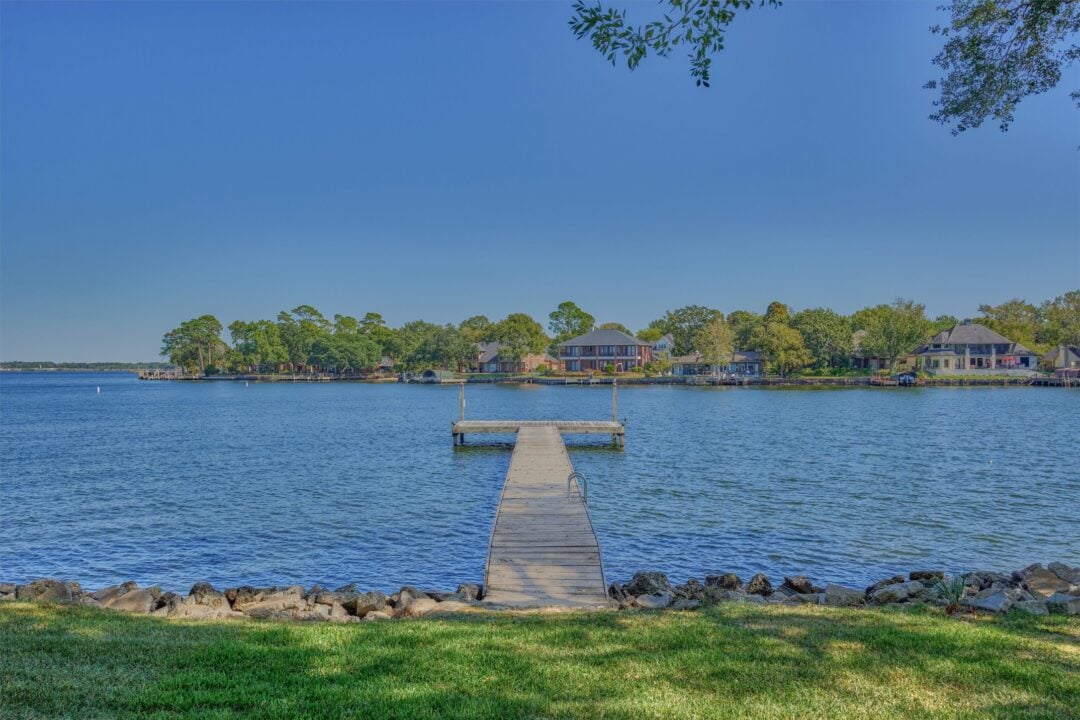
Owning a waterfront property on Lake Conroe means following regulations designed to protect the lake, surrounding environment, and community. The SJRA, Montgomery County, and local HOAs all play a role in establishing guidelines for docks, shoreline structures, and property improvements. Understanding these requirements before making changes can help protect your investment and prevent unexpected issues.
Shoreline Setback Requirements
Shoreline setback requirements help protect Lake Conroe’s natural environment and reduce the risk of erosion. These rules determine how close certain structures can be built to the water’s edge while helping maintain shoreline stability. Following setback guidelines ensures waterfront improvements support both property safety and the health of the lake.
Dock Size and Location Restrictions
Dock regulations help maintain safe navigation areas and prevent overcrowding along the shoreline. Property owners must follow guidelines regarding the size, placement, and design of docks to ensure structures do not interfere with other lake users. These requirements help preserve access and create a safer experience for everyone enjoying Lake Conroe.
Construction Material Requirements
The materials used for docks and shoreline structures must be able to withstand Lake Conroe’s changing water levels and weather conditions. Using approved, durable materials helps improve the safety, stability, and longevity of waterfront improvements. Proper material selection also helps reduce future maintenance needs and protects the overall appearance of the property.
HOA Waterfront Guidelines
In addition to SJRA and county regulations, many Lake Conroe communities have HOA rules that affect waterfront properties. These guidelines may include requirements for dock appearance, landscaping, exterior improvements, or other property modifications. Reviewing HOA restrictions before purchasing a waterfront home can help buyers understand what changes are allowed within a specific community.
Essential Considerations for Dock Construction on Lake Conroe
Building a dock on Lake Conroe requires careful planning to ensure your structure is safe, durable, and compliant with local requirements. Factors such as water levels, materials, boat traffic, and permits all play a role in the success and longevity of your dock. Taking the time to evaluate these details before construction can help protect your investment and prevent future issues. Before beginning dock construction, consider these important factors:
- Water depth and seasonal water level changes that may impact dock design
- Durable materials that can withstand weather conditions and lake activity
- The effects of boat traffic and waves on dock stability
- Required permits and approvals before starting construction
- Working with experienced dock builders or marine professionals familiar with Lake Conroe regulations
Steps to Obtain Dock Permits in Conroe
Obtaining a dock permit on Lake Conroe involves several steps to ensure your project meets safety, environmental, and construction requirements. Working with the San Jacinto River Authority throughout the process can help you understand the necessary guidelines, submit accurate plans, and avoid delays. Following the proper approval process allows you to move forward with your dock project while staying compliant with local regulations.
| Step | What to Expect |
| Contact the SJRA | Review dock permit requirements and receive guidance on the application process |
| Submit Plans and Specifications | Provide detailed information about your proposed dock, including design, materials, and construction details |
| Complete Application Review | The SJRA evaluates your plans to ensure they meet safety and environmental standards |
| Make Required Adjustments | Update your plans if changes are needed to meet approval requirements |
| Receive Permit Approval | Obtain the required permit before beginning dock construction |
| Follow Approved Plans | Build according to the approved specifications and maintain compliance throughout the project |
Evaluating Existing Waterfront Structures Before Purchase
Purchasing a Lake Conroe waterfront home with an existing dock or shoreline structure requires careful evaluation. Understanding the condition, history, and compliance of these structures can help you avoid unexpected repairs or legal issues after closing. A thorough review gives buyers a clearer picture of the property’s value and future maintenance needs. Before purchasing a property with existing waterfront structures, review:
- The condition of docks, lifts, bulkheads, and other shoreline features
- Existing permits and documentation for current structures
- Maintenance records and previous repairs
- Whether structures comply with current waterfront regulations
- Potential future repair, replacement, or maintenance costs
Lake Conroe Dock Permits FAQ
How long does it take to get a dock permit on Lake Conroe?
The timeline for receiving a dock permit can vary depending on the complexity of the project and whether the application includes all required information. Projects with complete plans and accurate documentation may move through the review process more smoothly. Property owners should plan ahead and allow time for any requested revisions or additional approvals.
Can I transfer an existing dock permit when buying a Lake Conroe waterfront home?
Existing dock permits and approvals should be reviewed during the home-buying process to understand the status of any waterfront structures. Buyers should not assume that a dock automatically meets current requirements simply because it already exists. Reviewing permits and documentation with experienced professionals can help identify any concerns before completing a purchase.
Are floating docks allowed on Lake Conroe?
Floating docks may be an option for some waterfront properties, but they must still meet applicable regulations and approval requirements. The design, placement, and construction of any dock structure must align with safety and environmental guidelines. Property owners should confirm requirements before installing or modifying a floating dock.
What happens if a dock does not meet Lake Conroe regulations?
A dock that does not comply with current regulations may create issues for the property owner, including required modifications or removal of the structure. Non-compliant improvements can also impact future property transactions if permits and approvals cannot be verified. Addressing compliance concerns early can help protect the value and usability of a waterfront property.
Do waterfront property buyers need a dock permit before purchasing a home?
Buyers do not typically need to obtain a dock permit before purchasing a property, but they should understand the status of any existing waterfront structures. Reviewing permits, approvals, and restrictions before closing can help prevent surprises after the purchase. This information allows buyers to make a more informed decision about the property and future improvements they may want to make.
Navigating Lake Conroe Dock Permits Before Building or Buying
Adding a dock to a Lake Conroe waterfront property can enhance your lake lifestyle, but knowing the permitting process is an important part of protecting your investment. From SJRA requirements and construction guidelines to evaluating existing waterfront structures, being aware of the regulations ahead of time can help you make informed decisions and avoid potential complications.
As Lake Conroe real estate specialists, the McKellar Group helps buyers navigate the details that make waterfront properties unique. From reviewing property features and restrictions to identifying homes that align with your goals, we provide the local knowledge needed to confidently explore opportunities on Lake Conroe.
If you’re considering buying a waterfront home or adding a dock on Lake Conroe, contact us today to explore available properties and find a home that fits your vision for lake living.

Medina McKellar has been working in the Lake Conroe real estate market since 2012. She is known for her honesty, dedication, and attention to detail. Medina’s deep market knowledge helps clients buy and sell homes with confidence, earning repeat business and referrals.